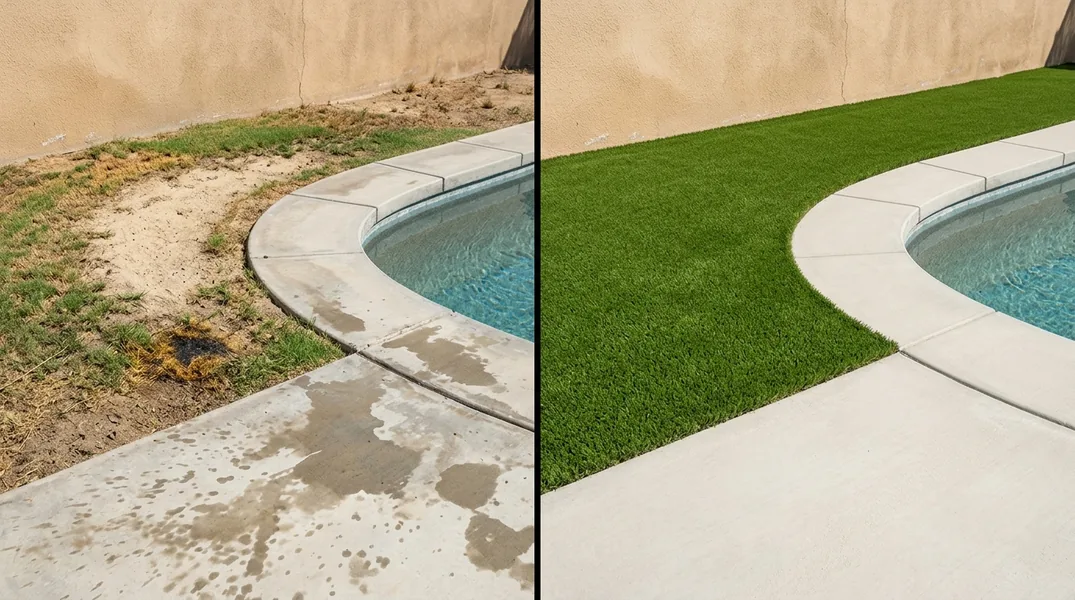
Understanding HOA Regulations for Artificial Grass in the Coachella Valley
Homeowners associations throughout the Coachella Valley, including Palm Desert, have specific guidelines governing landscape modifications. If you own a home in an HOA-governed community, you likely know that most exterior changes require approval before installation. Artificial turf is no exception, and understanding these rules upfront can save you time, money, and potential disputes with your HOA board.
The good news is that many Coachella Valley HOAs are increasingly favorable toward artificial grass installations. This shift reflects growing awareness of water conservation, reduced maintenance demands, and the aesthetic appeal of modern synthetic turf products. However, each HOA maintains its own architectural review process, design standards, and submittal requirements. Some communities embrace artificial grass enthusiastically, while others impose strict specifications on color, pile height, and backing material. Before you invest in Residential Artificial Grass Installation, you need to understand exactly what your HOA permits and what documentation you'll need to provide.
Front Yard Artificial Grass Rules: What Palm Desert HOAs Typically Require
Front yard regulations are often more stringent than backyard rules because HOAs prioritize curb appeal and community aesthetics. Most Palm Desert HOA governing documents specify that artificial grass used in front yards must closely resemble natural turf in appearance. This typically means the turf should feature a realistic color palette (usually green or blended green tones), appropriate pile height to avoid an artificial or plastic appearance, and a natural-looking surface texture. Some HOAs also require that artificial grass installations include edging or borders to clearly delineate landscaped areas.
Many Coachella Valley communities impose restrictions on the percentage of a front yard that can be converted to artificial turf. Some require that a minimum percentage of the front landscape remain as natural plantings, hardscape features, or decorative elements. This requirement encourages visual variety across the community and prevents entire neighborhoods from appearing uniform or sterile. Additionally, HOAs often mandate that artificial grass installations must be professionally installed and maintained to a high standard. DIY installations or poorly maintained turf can violate community standards and trigger compliance notices from the HOA board. Understanding these specific requirements for your community is essential before moving forward with any installation project.
The HOA Submittal and Approval Process for Artificial Turf Installation
Most HOAs in the Coachella Valley require homeowners to submit an Architectural Review Request or Design Modification form before beginning any landscape work. This formal submittal process typically starts with obtaining the required forms from your HOA's management company or community office. The forms ask for detailed information about your proposed project, including site plans, product specifications, installation timelines, and contractor information. Some HOAs may also request photographs of your current front yard and renderings or mockups showing what the finished installation will look like.
When preparing your submittal, accuracy and completeness are critical. Include the exact product name and manufacturer of the artificial grass you plan to install, along with technical specifications such as pile height, material composition, and color code. Provide detailed site plans that clearly show the dimensions of the area to be converted, placement of the turf relative to existing hardscape features, and how the installation will integrate with neighboring properties. Many HOAs appreciate when homeowners include product samples or request a site visit from the architectural review committee. This transparency demonstrates your commitment to meeting community standards and can expedite the approval process. Once you submit your application, the HOA's architectural committee typically reviews it within 10 to 30 days, depending on the community's procedures. They may approve your request as submitted, approve it with conditions, or request modifications before granting approval.
Common HOA Objections and How to Address Them
Even though artificial grass is becoming more widely accepted, some HOA boards still harbor concerns about synthetic turf. Common objections include worries about the product looking plastic or cheap, concerns about drainage and water runoff, questions about durability and longevity, and uncertainty about maintenance requirements. Understanding these concerns in advance allows you to proactively address them in your submittal package. If your HOA expresses concern about appearance, include high-quality product samples or photographs of completed installations in similar communities. Modern artificial grass products have evolved dramatically and now offer exceptional realism that rivals natural turf.
Drainage concerns are legitimate but easily addressed. Quality artificial grass systems include proper base preparation and perforated backing that allows water to drain efficiently, preventing pooling and runoff issues. When submitting your application, reference the drainage specifications of your chosen product and explain how water management will be handled on your property. Address durability questions by providing the manufacturer's warranty information and explaining the expected lifespan of the product, typically 15 to 20 years for premium turf. Finally, clarify maintenance requirements, which are minimal compared to natural grass. Occasional brushing, rinsing, and debris removal keep artificial turf looking fresh and well-maintained. By anticipating these objections and providing thorough, professional documentation, you significantly improve your chances of securing HOA approval.
Working with Professional Installers to Ensure HOA Compliance
One of the most effective ways to navigate HOA requirements is to partner with experienced, professional installers who understand local regulations. Palm Desert Artificial Grass Installation has extensive experience working with Coachella Valley HOAs and understands the specific approval processes and design standards that different communities enforce. Professional installers can review your HOA's governing documents, identify compliance requirements, help you select products that meet community standards, and prepare comprehensive submittal packages that address potential concerns before they arise. This expertise often makes the difference between quick approval and lengthy delays or rejection.
When you contact a professional installation company, discuss your HOA situation upfront. Experienced contractors can advise whether your proposed project aligns with community rules and can recommend design modifications if needed to ensure approval. They may also attend HOA meetings or provide written documentation to support your application. Professional installation guarantees that the finished product meets both your HOA's standards and industry best practices for quality and durability. If you're ready to explore artificial grass options for your front yard while maintaining HOA compliance, reach out to Palm Desert Artificial Grass Installation at (760) 766-0213 to discuss your project and get a free estimate.
Timeline and Next Steps: Getting Your Artificial Grass Project Approved
Planning ahead is essential when working through the HOA approval process. From initial submittal to final approval and installation, the entire timeline typically spans four to eight weeks, depending on your HOA's review schedule and whether modifications are requested. Start by requesting a copy of your HOA's architectural review guidelines and submittal forms. Review these documents carefully to identify all requirements and deadlines specific to your community. Next, select your artificial grass product and contractor, ensuring they meet or exceed HOA standards. Gather all necessary documentation, including product specifications, site plans, and any supporting materials that strengthen your application.
Submit your completed application well in advance of your desired installation date, allowing adequate time for review and any requested revisions. Follow up with your HOA management company if you haven't received a response within the stated review period. Once approval is granted, coordinate with your contractor to schedule installation at a time convenient for your household and compliant with any HOA-imposed timing restrictions. After installation is complete, some HOAs require a final inspection to confirm the work meets approved specifications. By following these steps methodically and maintaining clear communication with both your HOA and your installation contractor, you can successfully navigate the approval process and enjoy your new artificial grass landscape. For personalized guidance tailored to your specific situation, contact Palm Desert Artificial Grass Installation today.
Looking for a professional artificial grass installation company in Palm Desert? Palm Desert Artificial Grass Installation responds fast for all your artificial grass installation needs.
Get a Free Quote