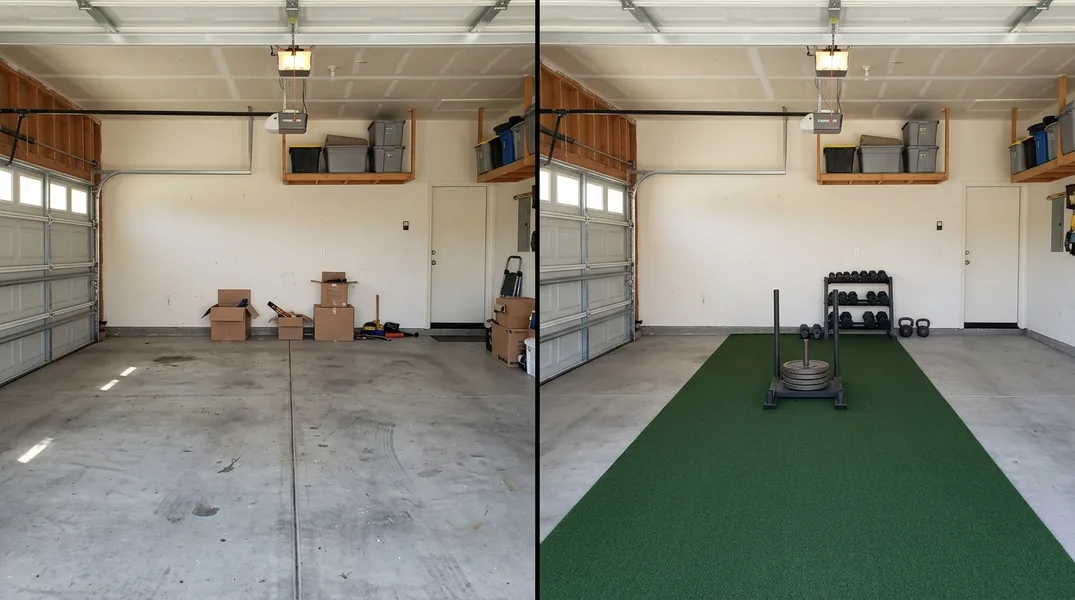
Understanding Lawn-to-Turf Conversion: What It Really Means
If you own a home in Palm Desert, you've likely noticed how much water and maintenance a natural grass lawn demands, especially during the scorching desert summers. A lawn-to-turf conversion is the process of removing your existing natural grass and replacing it with premium artificial grass. This transformation goes far beyond simply ripping out old sod and laying down new turf. It's a comprehensive project that requires careful planning, proper site preparation, and professional expertise to ensure your new artificial lawn looks beautiful and performs well for years to come.
The conversion process addresses several key concerns that homeowners face. Natural grass in desert climates consumes enormous amounts of water, requires constant fertilizing and pest control, and demands weekly mowing during growing season. Artificial grass eliminates these headaches while providing a lush, green appearance year-round. However, the transition from natural to artificial requires attention to detail, particularly when it comes to removing old infrastructure like underground sprinkler systems and ensuring proper drainage and base preparation. Understanding what's involved in this conversion helps you make an informed decision and set realistic expectations for your project timeline and investment.
Sod Removal: The First Step in Your Conversion
Before any artificial grass can be installed, the existing natural lawn must be completely removed. This process, known as sod removal or turf removal, involves extracting the top layer of soil containing grass roots, thatch, and other organic matter. In Palm Desert, where many yards have been established for decades, this layer can be surprisingly thick and compacted. Professional crews use specialized equipment to strip away the sod efficiently, typically removing 2 to 4 inches of material depending on the lawn's condition and age.
The sod removal process is more involved than simply pulling up grass by hand. Heavy machinery ensures the job is done quickly and uniformly, creating a clean slate for the next phase of installation. During removal, your contractor will assess the existing soil conditions, identify any problem areas like compacted zones or drainage issues, and plan for remediation. Once the sod is removed, it's typically hauled away and recycled or composted, so you won't have piles of debris cluttering your property. This step is critical because any remaining roots, rocks, or debris can interfere with the artificial grass installation and cause uneven surfaces or drainage problems down the road.
Sprinkler Capping and System Removal: Managing Underground Infrastructure
One of the most important but often overlooked aspects of an artificial grass replacement project is dealing with your existing sprinkler system. Most homes in Palm Desert have underground irrigation systems designed to keep natural grass hydrated. When you transition to artificial turf, these systems must be properly addressed. Sprinkler capping involves sealing off sprinkler lines at the valve, preventing water from flowing through unused pipes and wasting resources. This is different from complete system removal, which involves pulling out pipes, heads, and valves entirely.
Whether you choose capping or removal depends on your long-term plans and budget. Some homeowners prefer capping, which is less invasive and less expensive, leaving the option to reactivate irrigation if needed in the future. Others opt for complete removal to eliminate the infrastructure entirely and free up space. Whichever route you take, it must be handled by someone familiar with irrigation systems to avoid damaging gas lines, electrical conduits, or other utilities buried in your yard. Professional Residential Artificial Grass Installation companies in the area coordinate with irrigation specialists to ensure this critical step is completed safely and correctly. Improper handling can lead to costly repairs and project delays, so this is not an area where shortcuts should be taken.
Site Preparation and Base Installation: Building a Solid Foundation
After sod removal and sprinkler work is complete, the real foundation for your artificial grass begins. Site preparation involves grading the area to ensure proper water drainage, removing any remaining debris or rocks, and compacting the soil to create a stable base. This step is absolutely critical to the longevity and appearance of your artificial turf. Poor drainage can lead to standing water, mold growth, and a soggy feel underfoot. Inadequate base preparation can result in uneven surfaces, settling, and premature wear on your new lawn.
Most professional installations include a base layer system consisting of crushed rock, recycled asphalt, or engineered base material that's compacted in stages. This base provides drainage, stability, and cushioning for the artificial grass. The thickness of the base layer depends on your soil type, local drainage conditions, and the intended use of the lawn. For example, if you're planning Pet Turf & Dog Run Installation, you may need a more robust base to handle increased foot traffic and impact. The preparation phase typically takes several days and requires specialized equipment and expertise. Rushing this step or cutting corners can compromise the entire installation, so it's worth working with experienced professionals who understand desert soil conditions and drainage requirements specific to the region.
Installation Timeline and What to Expect During the Project
A typical lawn-to-turf conversion in Palm Desert takes anywhere from three to seven days, depending on the size of your yard and the complexity of existing infrastructure. The first day or two is dedicated to sod removal and site assessment. Days three and four involve sprinkler work, grading, and base installation. The final days are reserved for artificial grass installation, seaming, and finishing touches. During this time, your yard will be an active work zone with equipment, crews, and materials on site. It's helpful to plan accordingly by securing parking for work vehicles, keeping children and pets indoors during active work phases, and being prepared for some noise and disruption.
Communication with your contractor is essential throughout the project. Reputable companies will provide a clear timeline upfront and update you daily on progress. Weather can impact the schedule, particularly in desert areas where temperatures can affect material handling and installation quality. Most professionals avoid installing artificial grass during extreme heat, so project timing may be adjusted accordingly. Once installation is complete, your new lawn will be ready for immediate use, though it's wise to allow a brief settling period and follow any care instructions provided. If you're ready to start your conversion project, reach out to Palm Desert Artificial Grass Installation for a free estimate and detailed project timeline tailored to your specific property.
Lawn-to-Turf Conversion Cost in Palm Desert: What to Budget
The cost of converting from natural grass to artificial turf varies based on several factors, including yard size, existing site conditions, sprinkler system complexity, and the quality of artificial grass selected. On average, homeowners in Palm Desert can expect to invest between 8 to 15 dollars per square foot for a complete conversion, though premium options or particularly challenging sites may run higher. A typical residential yard of 2,000 to 3,000 square feet might range from 16,000 to 45,000 dollars depending on these variables. Understanding what's included in the quote is crucial, as some contractors bundle everything into one price while others itemize labor, materials, and disposal separately.
When comparing pricing from different companies, make sure you're comparing apples to apples. A lower quote might exclude sprinkler removal, base material, or proper site preparation, which could lead to problems later. Conversely, premium artificial grass products with superior drainage and durability may justify higher costs. Financing options are often available for larger projects, and many homeowners find that the water savings and reduced maintenance costs offset the initial investment within five to seven years. To get an accurate estimate for your specific property, contact Palm Desert Artificial Grass Installation at (760) 766-0213 or request a free estimate online. Our team will assess your yard, discuss your needs, and provide transparent pricing with no hidden surprises.
Looking for a professional artificial grass installation company in Palm Desert? Palm Desert Artificial Grass Installation responds fast for all your artificial grass installation needs.
Get a Free Quote